
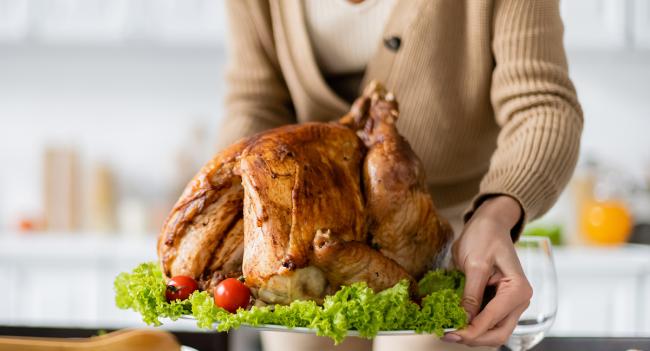
Thanksgiving is a heartwarming holiday when family and friends reunite to feast and give thanks.
However, cooking and extra guests can increase your home’s energy use each year.
Here are some energy-saving tips that can help lower energy bills following the Thanksgiving celebration:
Have a Timeline
Schedule your bake times to avoid leaving your oven on unnecessarily. Plan accordingly; preheating your oven takes only 5–8 minutes. When possible, cook multiple dishes at the same time; many recipes can accommodate a 25-degree temperature difference. Resist the urge to open your oven door until your dish is finished!
Put a Lid on It
When you’re cooking on the stovetop, cover pots and pans with lids when possible. Keeping the heat contained can help food cook more efficiently. Also, make sure you’re using the rightsized burner for each pan. A small pan on a large burner can waste heat around the sides.
Allow Leftovers to Cool
After your feast, let leftovers cool on the counter for no more than two hours before refrigerating. This gives your refrigerator and freezer a chance to cool food efficiently without working harder than necessary.
Use Smaller Appliances
If the oven is full and you have additional dishes to warm or cook, use smaller appliances, like a slow cooker, air fryer, toaster oven, or pressure cooker. These helpful tools use less than half as much electricity as the oven.
Use Your Dishwasher
Don't stress that mound of dishes! An ENERGY STAR-certified dishwasher uses less than half as much hot water as hand washing. Enjoy using your dishwasher when possible. Many offer a wash cycle shorter than 60 minutes!
Adjust Your Thermostat
If you expect a large group of family and friends, turn down the thermostat a few degrees! Extra guests and cooking heat can add up fast and make your home uncomfortably warm for everyone.