Sizzling Summer — Why Your Energy Use Increases
Summer temperatures often lead to higher energy use. As outdoor temperatures rise, your air conditioner must work harder to keep your home comfortable.
The Delta Temperature Difference
One of the biggest reasons your cooling system works harder in the summer is the temperature difference, or " delta difference," between the outdoor temperature and the temperature you want to maintain inside your home.
For example, if it’s 95 degrees outside and your thermostat is set to 70 degrees, your air conditioner must work to maintain a 25-degree difference. The larger the difference, the harder and longer your system must run.
Your HVAC system does not instantly cool your home. Instead, it gradually removes heat. On extremely hot days, especially during the peak afternoon hours, your air conditioner may run almost continuously to keep up.
Why Summer Energy Use Peaks
Electric demand typically rises in the late afternoon and early evening when outdoor temperatures are highest, and many people return home from work. During these “peak usage” times, homes often use:
• Air conditioners
• Appliances
• Ceiling fans
• Electronics and televisions
• Water heaters
• Washers and dryers
This increased demand places additional strain on the electric grid and can raise overall energy costs.
Tips to Save This Summer
The good news is that there are several easy ways to reduce energy use and ease the strain on your cooling system.
• Change HVAC air filters regularly
• Raise your thermostat 2–3 degrees
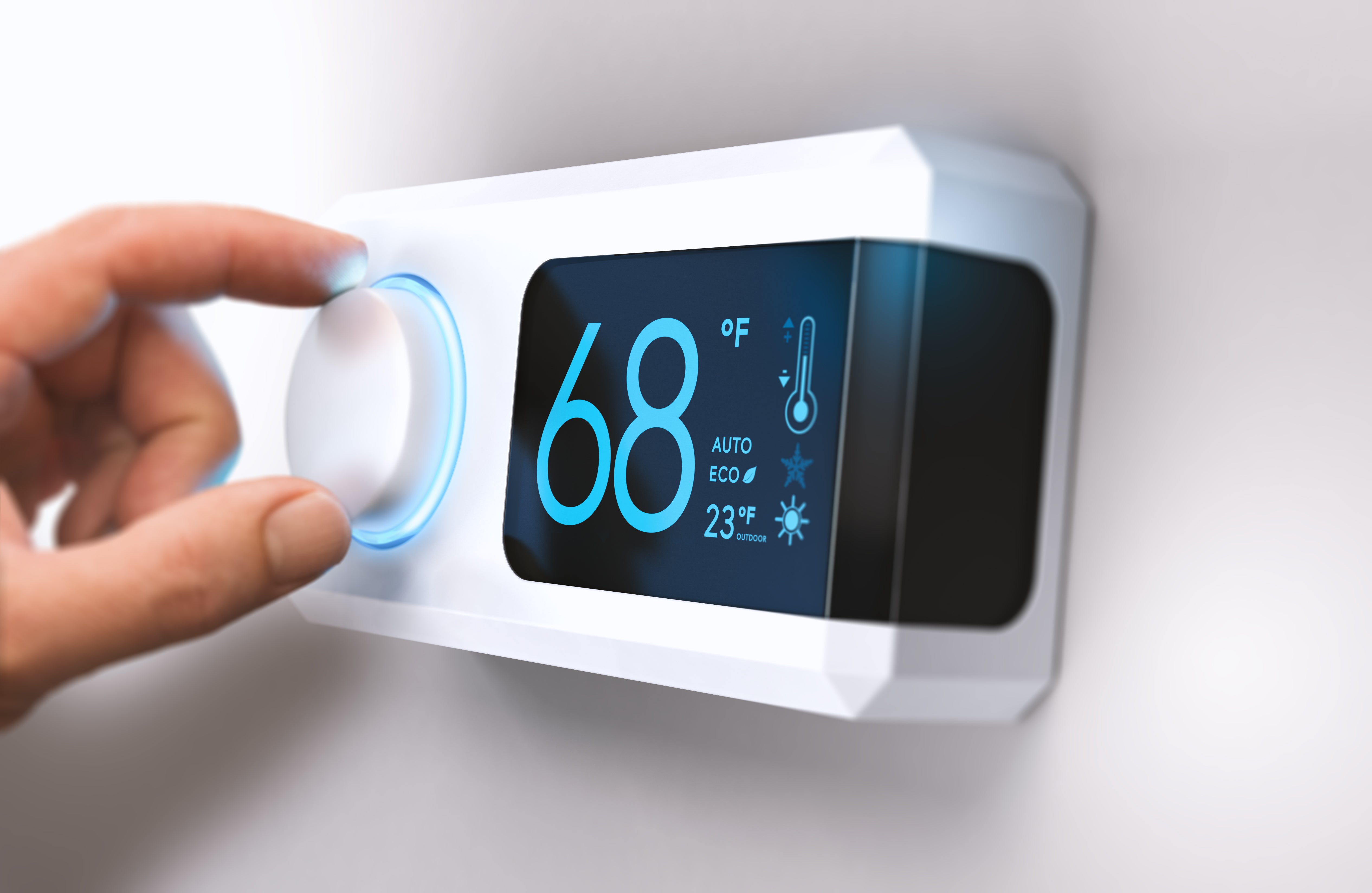
• Consider smart thermostat settings
• Use blinds or curtains to block sunlight
• Seal air leaks around doors and windows
• Use ceiling fans to help circulate cool air
• Run the dishwasher, washer, and dryer after 8:00 pm on weeknights
Summer energy use rises during periods of extreme heat, but small changes can help lower usage while keeping you comfortable.
- Log in to post comments